
The Florida Gulf Coast stretches from the Panhandle's emerald-green waters near Destin down through Tampa Bay, Naples, and beyond - covering distinct micro-destinations that require very different booking strategies. Whether you're after a beachfront inn in Destin, a self-catering aparthotel in Naples, or a city-based hotel with easy access to Tampa's entertainment corridor, the 4-star segment here delivers far more variety than most travelers expect. This guide breaks down exactly where to stay, what you get for your money, and which properties are worth your booking.
What It's Like Staying on the Florida Gulf Coast
The Gulf Coast is not a single destination - it's a 700-mile coastal corridor where beach towns, urban hubs, and nature reserves exist within driving distance of each other. Getting between areas requires a car, as public transport is minimal outside Tampa and Sarasota. Crowds follow a clear seasonal rhythm: the region peaks between December and April when northern snowbirds arrive, pushing occupancy in coastal towns like Naples and Destin to near capacity, while summer brings domestic families to beach areas and noticeably thinner crowds in the shoulder months of May and October. Travelers who want beachfront access with resort-level amenities will find the Gulf Coast delivers, but those expecting walkable city neighborhoods should focus their search on Tampa's Hyde Park or downtown Sarasota rather than beach-focused towns.
Around 80% of Gulf Coast visitors rent a car, which is a practical necessity if you plan to move between destinations or access beaches that are not directly adjacent to your hotel.
Pros:
Warm Gulf water temperatures make swimming comfortable from April through November
The Gulf Coast offers a far wider range of accommodation styles than most coastal U.S. regions - from beachfront inns to lakeside aparthotels
Multiple international and regional airports (Tampa, Sarasota-Bradenton, Northwest Florida Beaches) provide flexible arrival options
Cons:
A car is non-negotiable for most itineraries - budget for rental and parking costs
Peak-season prices in beach towns like Destin and Naples spike sharply from December through March
Hurricane season runs June through November, with September being the highest-risk month for disruption
Why Choose 4-Star Hotels on the Florida Gulf Coast
The 4-star category on the Gulf Coast occupies a strategically useful middle ground: you get structured amenities - pools, on-site dining, fitness facilities, and reliable front-desk service - without the inflated price premiums of full-service luxury resorts. In beach-focused markets like Destin and Naples, 4-star properties often sit directly on or within walking distance of the waterfront, while budget options are typically set back considerably further. The category also includes high-quality aparthotels, which are particularly well-represented in this region and offer kitchen facilities that make week-long stays significantly more cost-effective. Full-service resort fees are common at luxury Gulf Coast hotels and can add $40-$60 per night to your bill, a charge that 4-star properties here typically do not apply. In Tampa specifically, 4-star hotels provide proximity to entertainment venues and business districts at a price point that makes weekend and business stays practical.
Room sizes in Gulf Coast 4-star aparthotels frequently exceed 50 square meters, which is a meaningful upgrade over standard hotel rooms in the same price bracket.
Pros:
Many 4-star properties in this region include free parking - a significant saving in beach towns where public parking is scarce and expensive
Aparthotel-style 4-star options with full kitchens reduce daily food costs substantially on longer stays
Free WiFi and disability-accessible facilities are consistently offered across the 4-star segment here
Cons:
True beachfront 4-star options are limited - properties with direct beach access book out months ahead during peak season
Some 4-star hotels in inland locations like Brandon (Tampa suburb) lack walkable dining or nightlife nearby
The gap in experience between the best and least impressive 4-star properties on the Gulf Coast is wider than in more standardized urban markets
Practical Booking & Area Strategy for the Florida Gulf Coast
Positioning matters enormously on the Gulf Coast because distances between areas are deceptive on a map. Destin and Cape San Blas are Panhandle destinations that require dedicated trips - they are not day-trip distance from Tampa or Naples. If your priority is beach access, Destin offers the most developed infrastructure with the clearest emerald water on the coast; Cape San Blas and Indian Pass are far quieter, attracting visitors who prioritize solitude and nature over resort amenities. For travelers combining city exploration with Gulf access, Tampa is the most practical base: Busch Gardens, Hyde Park, and the MidFlorida Credit Union Amphitheatre are all within around 20 km of central accommodation, and the city's road network makes day trips toward St. Pete Beach or Sarasota manageable. Naples serves a distinct traveler - it's quieter, more upscale, and better suited to nature-focused stays near Delnor-Wiggins Pass State Park. Book at least 8 weeks ahead for any coastal property between Christmas and Easter; last-minute availability in that window is rare and expensive. For summer travel, May and early June offer shoulder-season pricing with full beach conditions.
Best Value 4-Star Stays
These properties deliver structured amenities and strong positional value without the premium pricing of beachfront resorts - well-suited to travelers prioritizing flexibility and cost efficiency across the Gulf Coast.
-
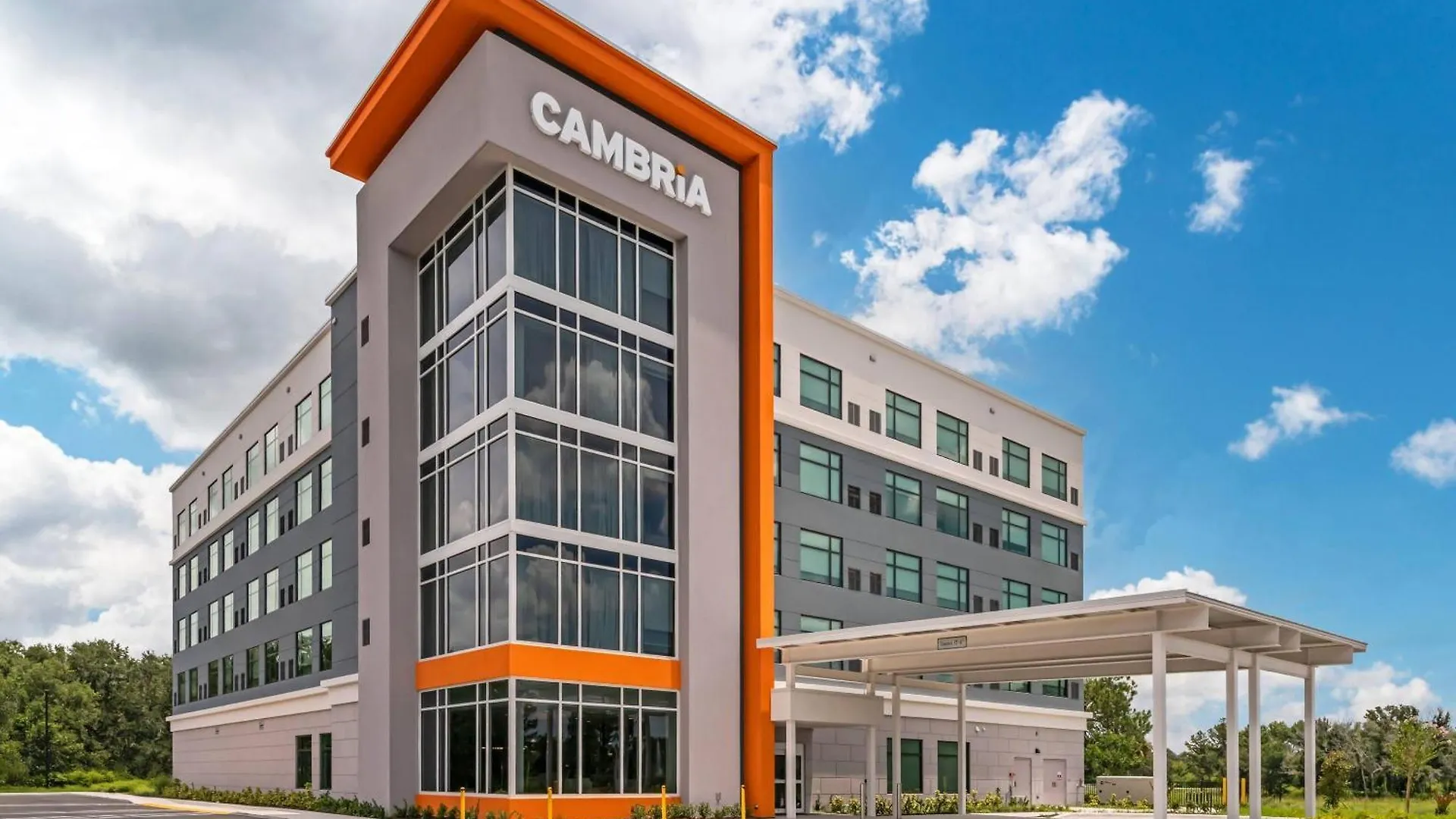
1. Cambria Hotel Tampa-Brandon
Show on map


 Check-infrom 15:00 until 23:59Check-outuntil 11:00
Just a few rooms left at the best rate!
-
2. Little Harbor #205 The Place To Stay
Show on map


 Check-infrom 16:00 until 23:00Check-outfrom 05:00 until 11:00
Just a few rooms left at the best rate!
fromUS$ 94
-
3. Cape San Blas Inn
Show on map


 Check-infrom 15:00 until 18:00Check-outfrom 07:00 until 11:00
Hurry – almost gone at this price!
fromUS$ 356
Best Premium 4-Star Stays
These properties sit at the top of the Gulf Coast's 4-star segment, offering beachfront positioning, high-specification apartment amenities, or distinctive design features that justify their higher nightly rates.
-
4. Henderson Park Inn
Show on map


 Check-infrom 15:00 until 22:00Check-outuntil 11:00
Hurry – almost gone at this price!
fromUS$ 580
-
5. Wiggins Pass Chalet
Show on map


 Check-infrom 16:00 until 22:00Check-outfrom 01:00 until 11:00
Rooms filling fast – secure the best rate!
fromUS$ 160
-
6. The Rose
Show on map


 Check-infrom 16:00 until 23:59Check-outuntil 11:00
Rooms filling fast – secure the best rate!
Smart Travel & Timing Advice for the Florida Gulf Coast
Late January through March is peak season across the Gulf Coast, particularly in Naples, Destin, and Clearwater Beach, where occupancy routinely reaches full capacity and rates climb sharply compared to the rest of the year. Travelers with flexibility should target May or early October: Gulf water temperatures remain warm, beach crowds thin out noticeably, and hotel rates drop by around 30% compared to peak winter pricing. Summer (June-August) is busy in family-oriented beach towns but manageable in Tampa, where indoor attractions like Busch Gardens and the Florida Aquarium provide alternatives during afternoon heat. For Panhandle destinations like Destin and Cape San Blas, avoid September entirely due to hurricane risk and reduced service availability at smaller properties. A minimum stay of 3 nights is recommended for beach-focused locations to justify travel distances; for Tampa-based stays centered on urban exploration, 2 nights is sufficient to cover the core attractions. Book beachfront properties at least 10 weeks in advance for any travel between Christmas and Easter - last-minute availability in that window is extremely limited across all quality tiers.


